
Your cart is currently empty!
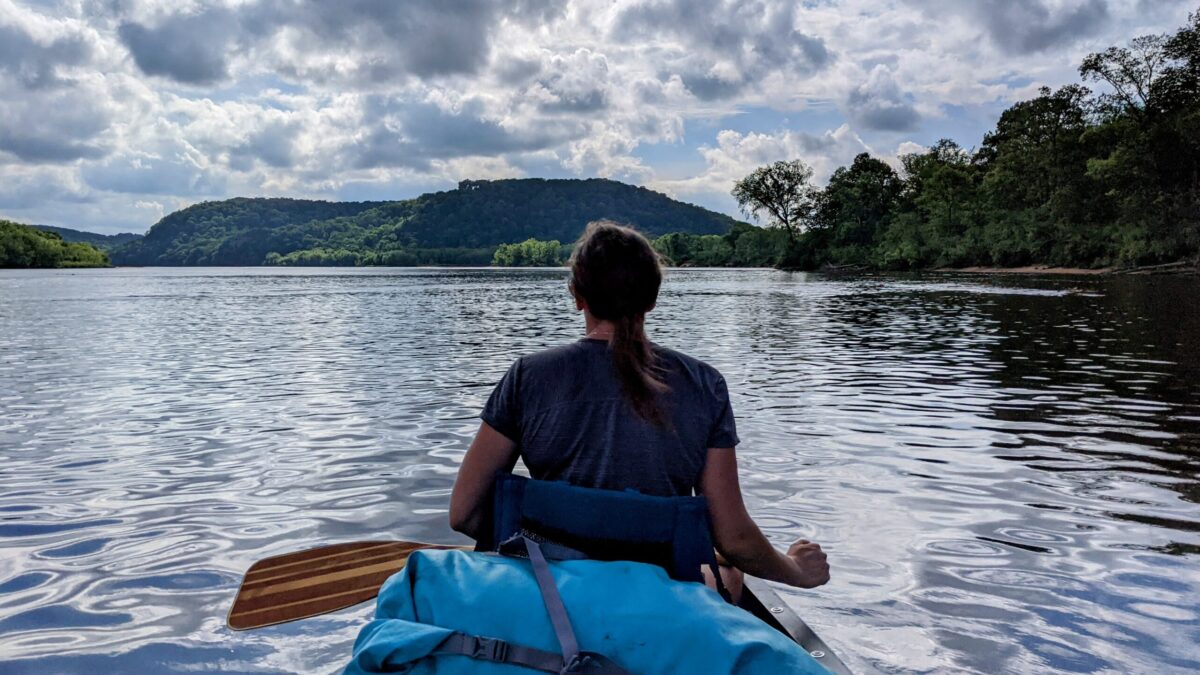
Welcome to the Wisconsin Canoe Company
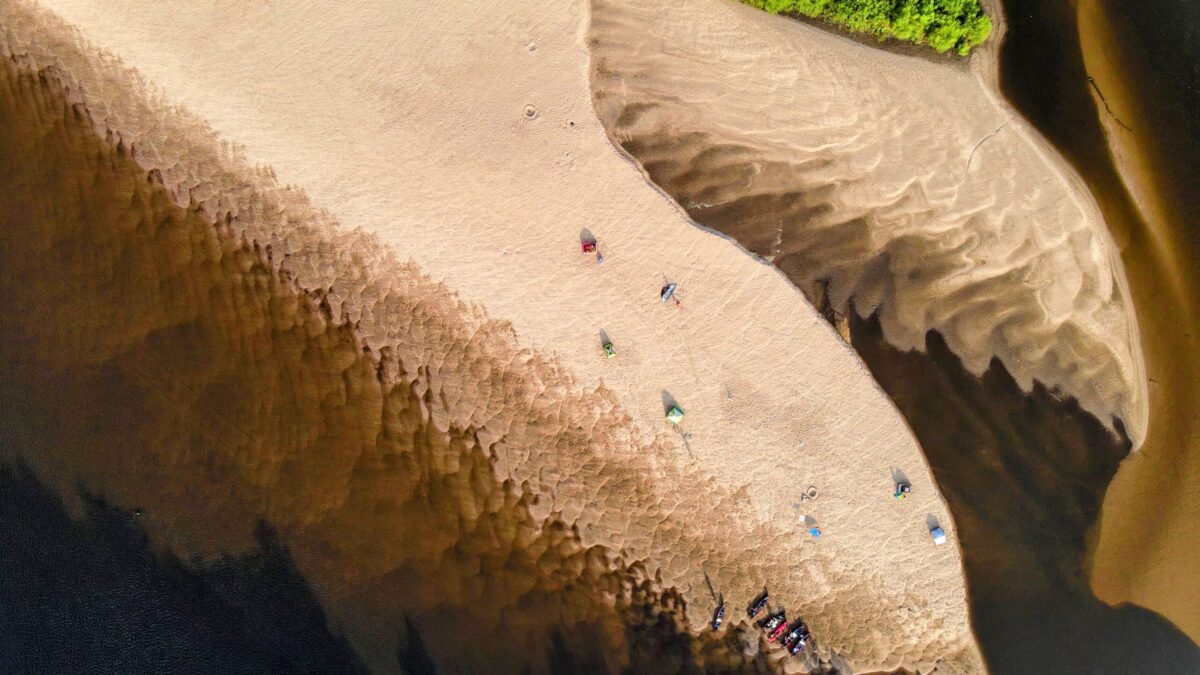
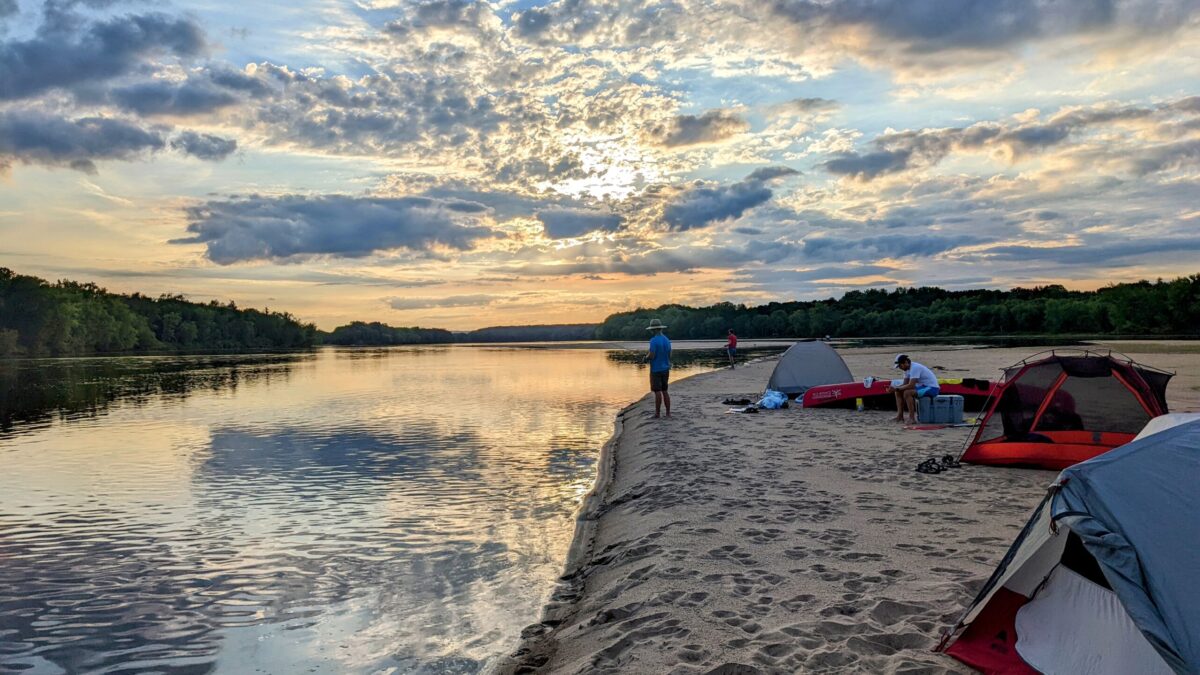
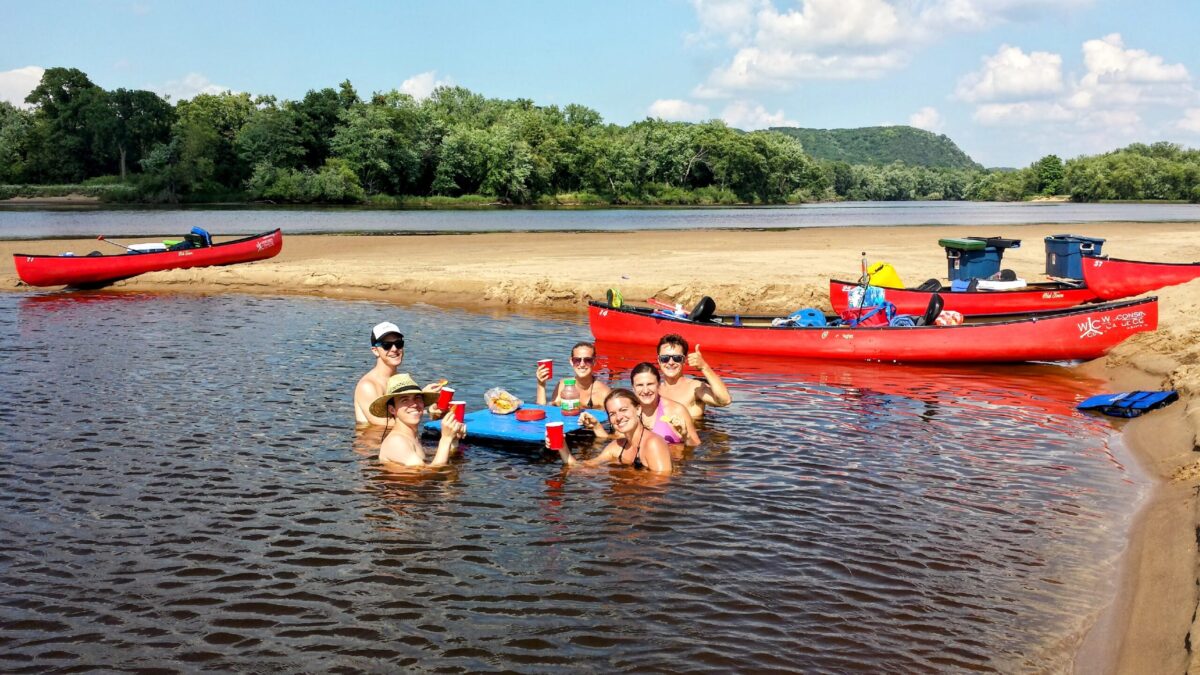
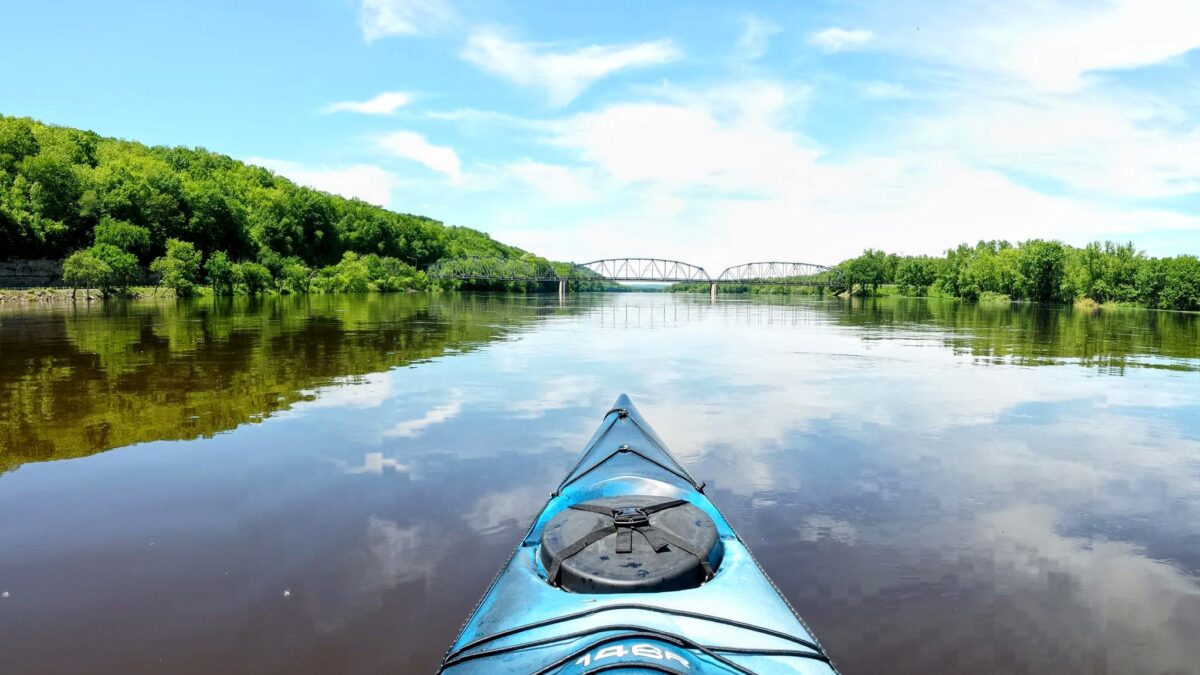
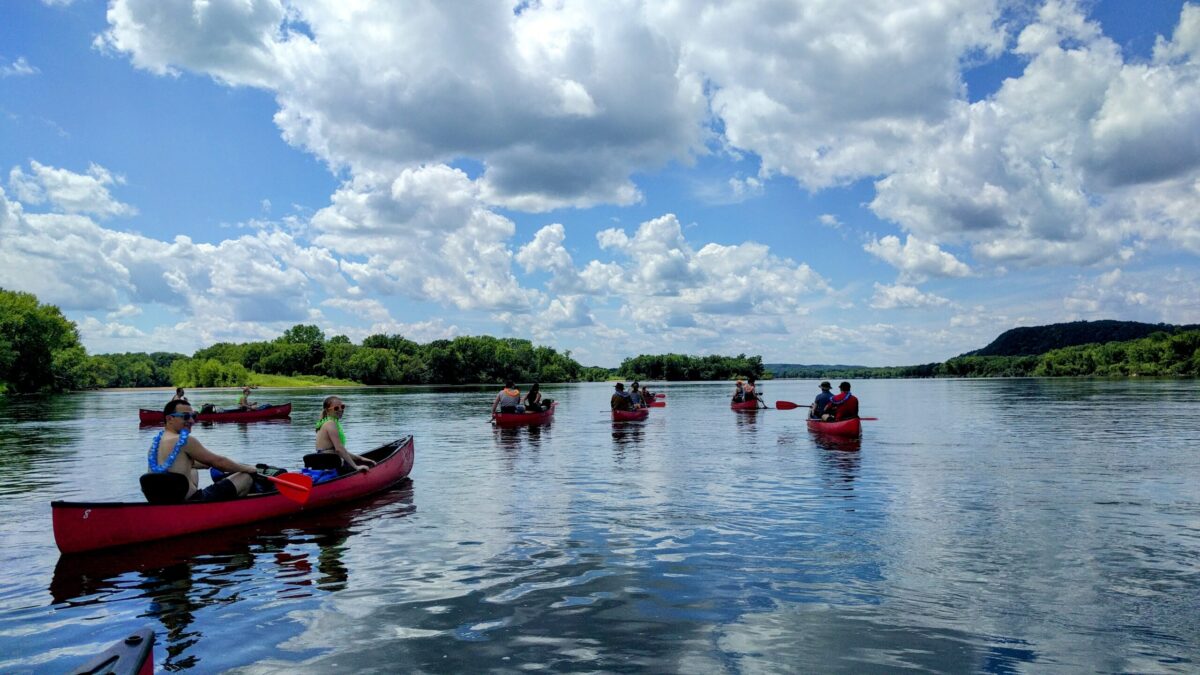
Embark on an extraordinary journey through the tranquil waters of the Wisconsin River. An unforgettable paddling experience for outdoor enthusiasts of all levels, you’ll navigate through unglaciated landscapes, camp on expansive sandbars, and be captivated by the untamed allure of the driftless area. Grab your paddle, strap on your life jacket, and explore the wonders of the Wisconsin River.
- Summer is coming
It’s time to shed those heavy coats, embrace the warmth, and immerse ourselves in the great outdoors. And what better way to celebrate the coming summer than with a canoe camping adventure on the majestic sandbars of the Wisconsin River?
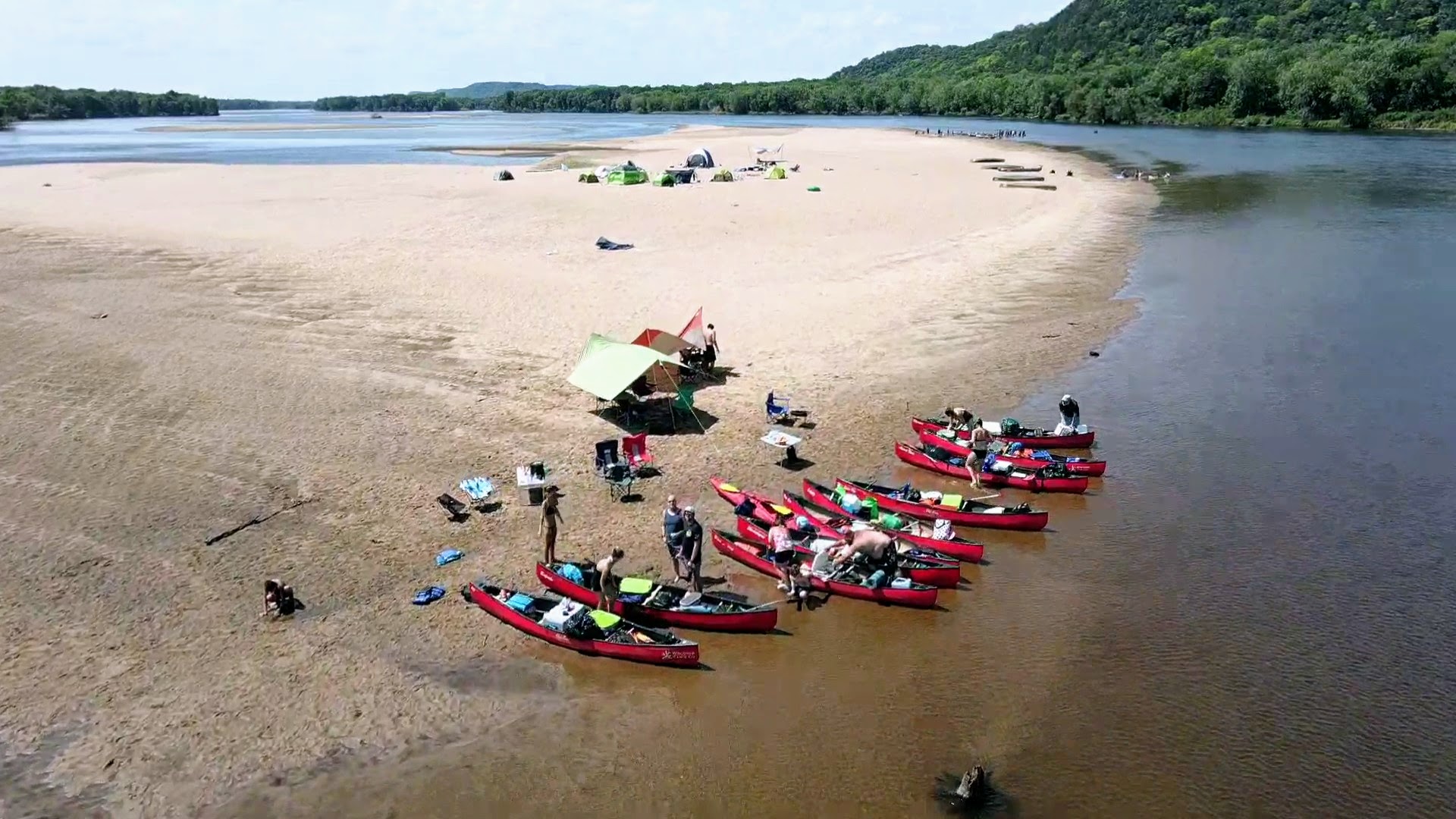
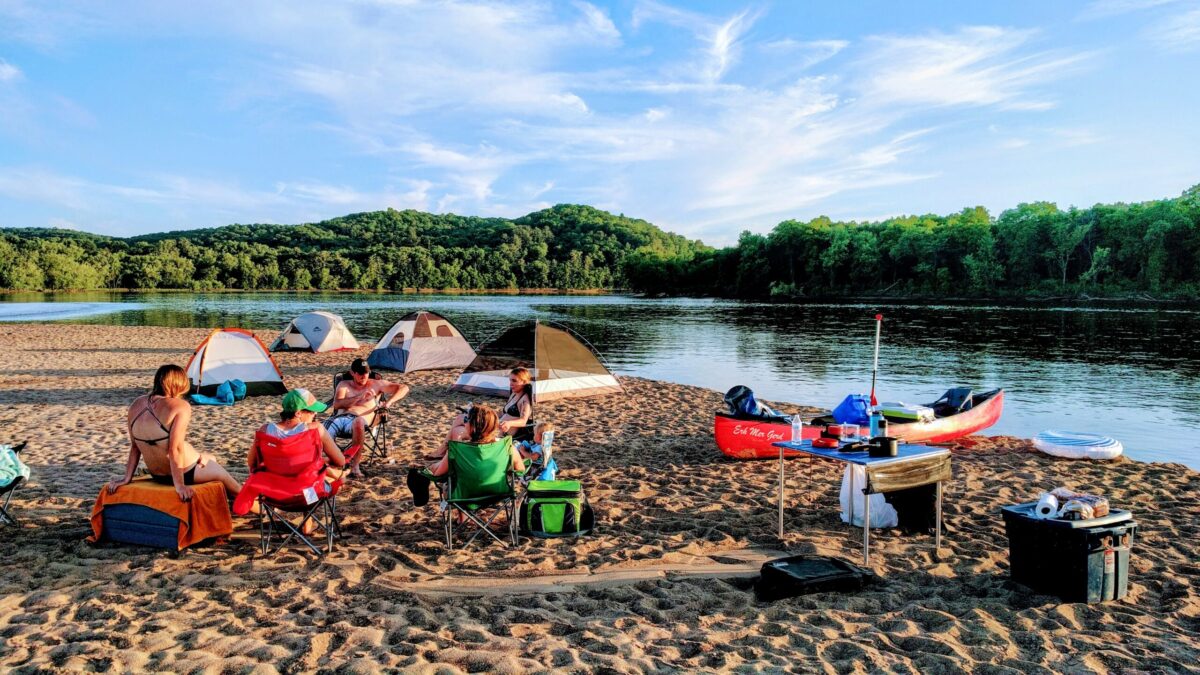
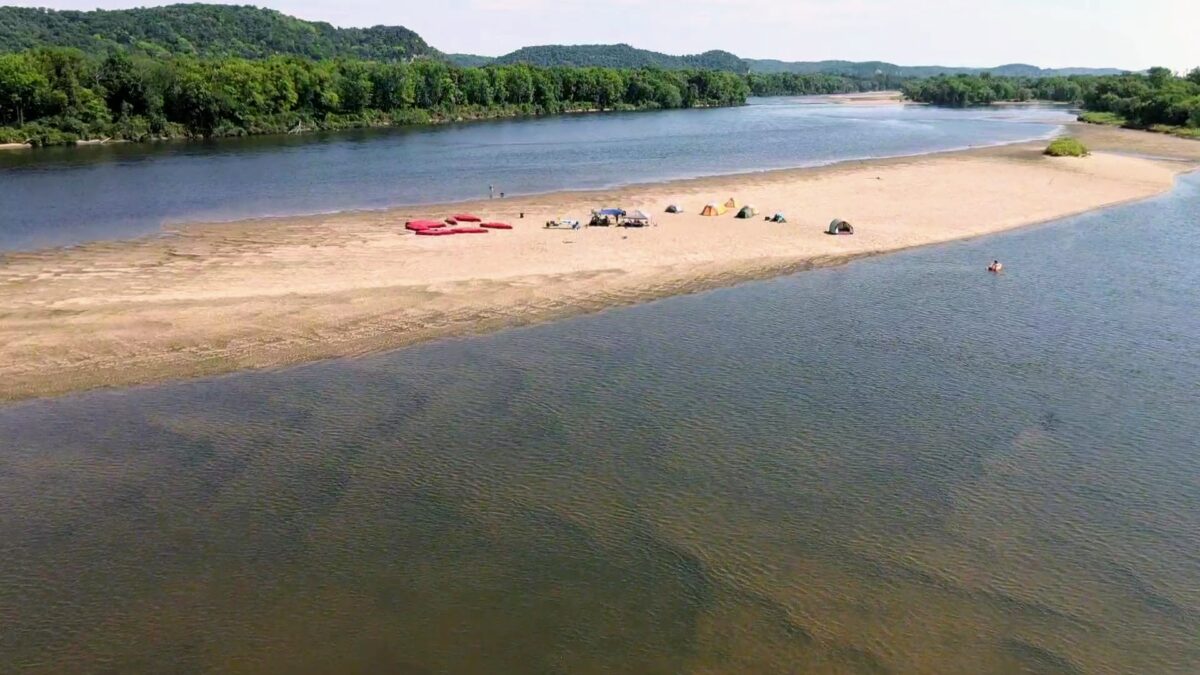
This is why people come here. The sandbars are big, the river is wide, and you’re free to set up camp anywhere that looks good. The river has been protected from development so long that it looks much the same now as it did a thousand years ago. This is legit backcountry camping – no site numbers, no permits, no picnic tables, no nothing.
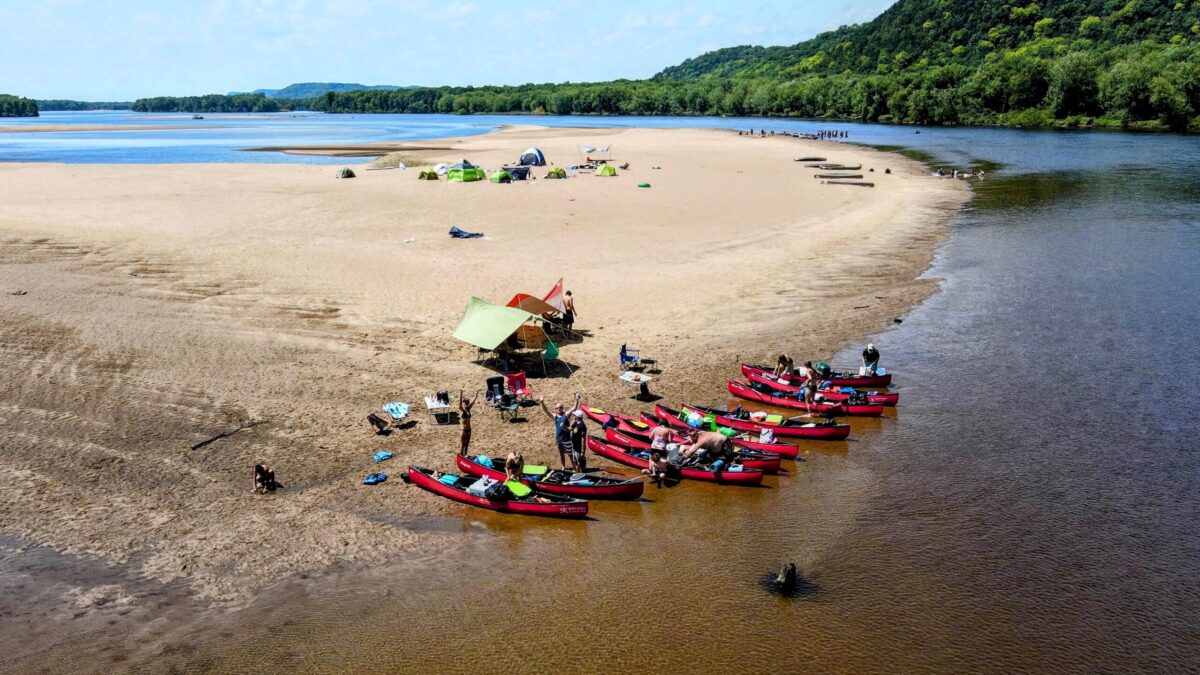
Bring your friends or family out for a leisurely day of sandbar hopping while maintaining the option to sleep in a real bed afterwards. Arena to Spring Green is our regular day trip section and for good reason – it has the highest concentration of sandbars on the river. Even on the busiest weekends, there is plenty of distance between you and anyone else on the water.
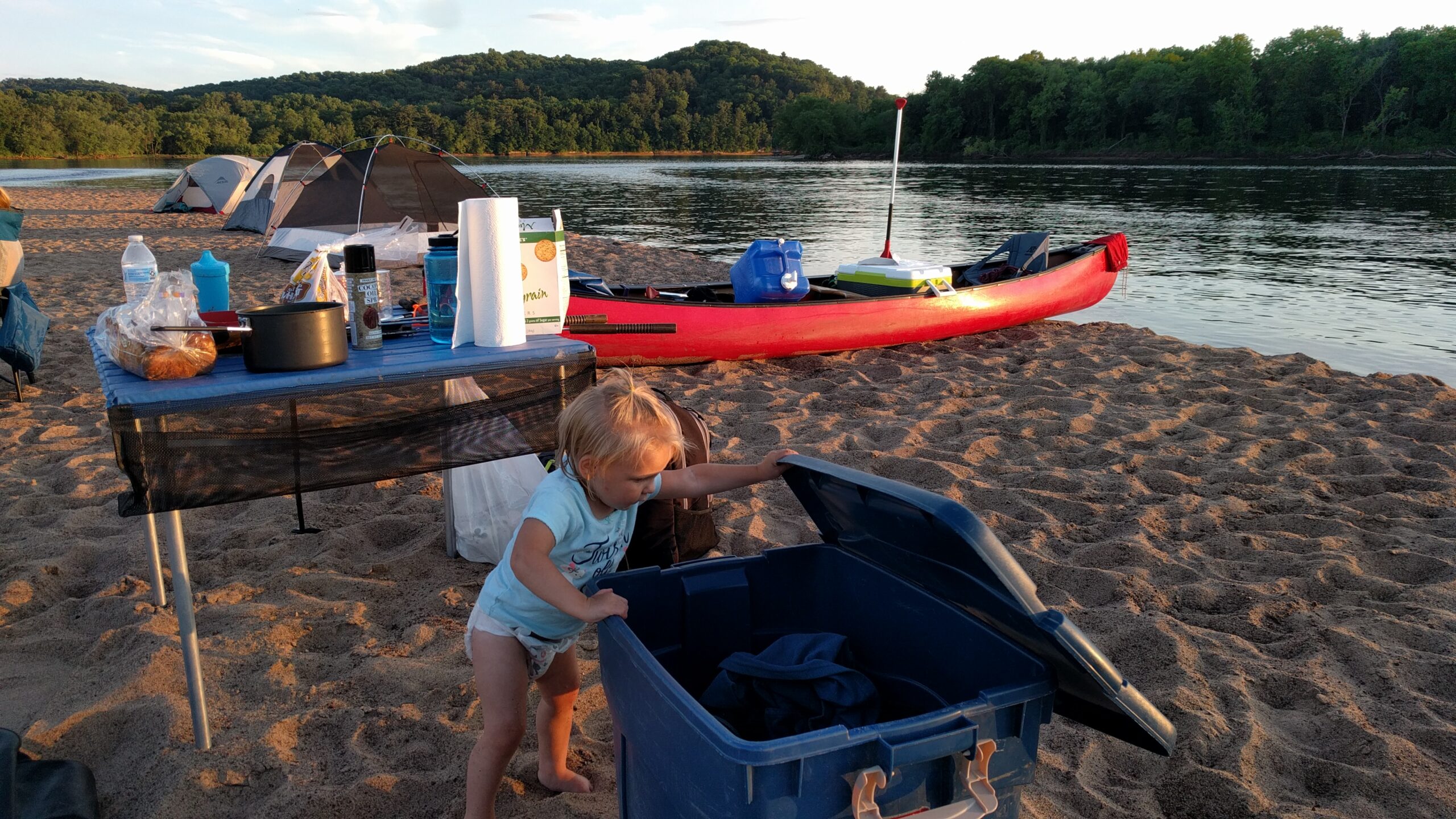
All of us at Wisconsin Canoe have dumped our collective river knowledge onto the pages of our trip planning section. If you have a question about what to do in a storm, the best way to set up the kitchen, how to find the ideal sandbar, or any of a million other things, the answer can be found here. Probably.

Data is collected in real time by the US Geological Survey and redistributed here with gauge height (river depth), flow rates (river current), water temperature, and expected changes in water levels over the next few days. This should give you a good idea of what the river is doing right now in our area.
real time inventory and rates
Why We’re The Best Canoe Company Ever
The best equipment
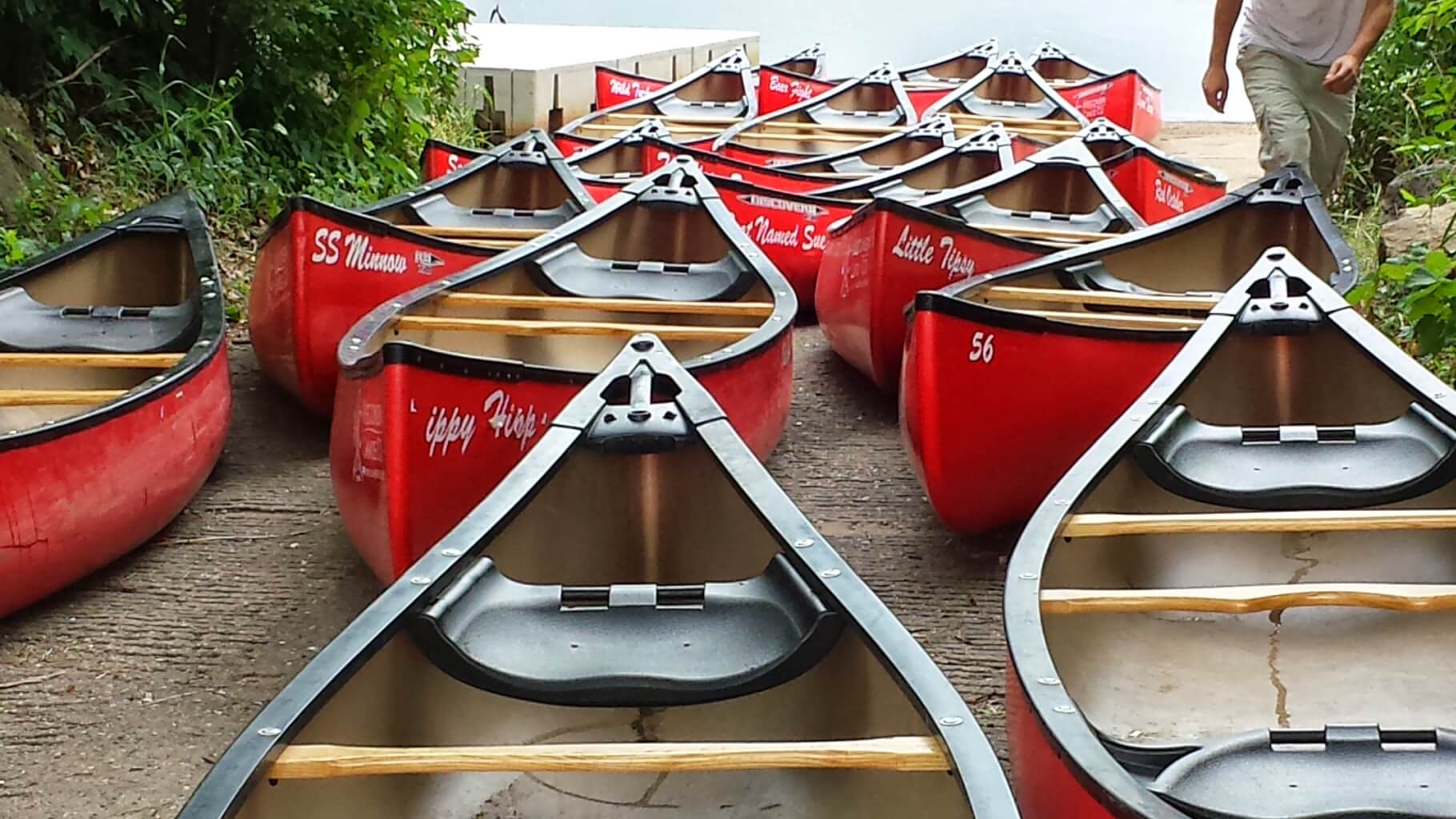
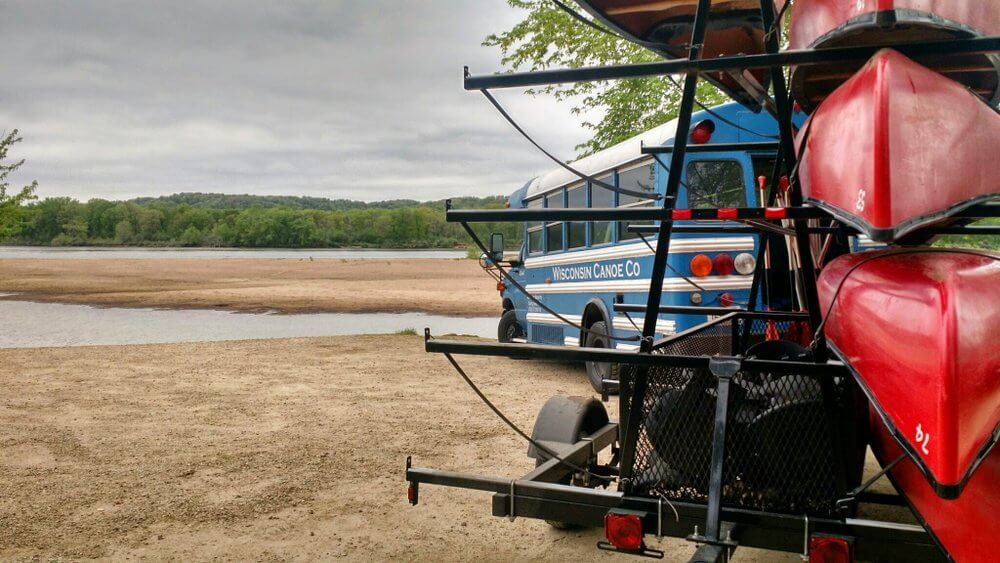
Our entire fleet of 200 Discovery canoes and Castine kayaks are resold every five years. These boats are made of a heavy duty polyethylene composite that is very quiet, doesn’t heat up in the sun like standard aluminum boats, and are essentially indestructible. We also provide everyone with comfortable, ski-style life jackets and outfitter grade paddles.
The best Shuttle
We transport you upriver at the beginning of your trip where you then paddle back to your car. This way there’s no need to fast paddle back to a shuttle only to be packed into a bus full of sweaty, sandy people for a long ride back to your car. Instead, when you go with us, you’re free to canoe the river at your own pace, and because your car is already at the end when you finish, there’s no need to wait around. You just pack up and go.
The best Communication
Your entire reservation can be completed online, we’ll send you reminder emails, give you waterproof maps to take on the river, and if something goes wrong, we have staff on the emergency line 24 hours a day. In the meantime, we are always available via phone, email, and text message. You can also check our current (literally up to the second) availability when planning your trip and get a guarantee that we’ll have every single one of your boats ready and waiting for you on the shuttle you’ve chosen for the days you’ve reserved.
The best People
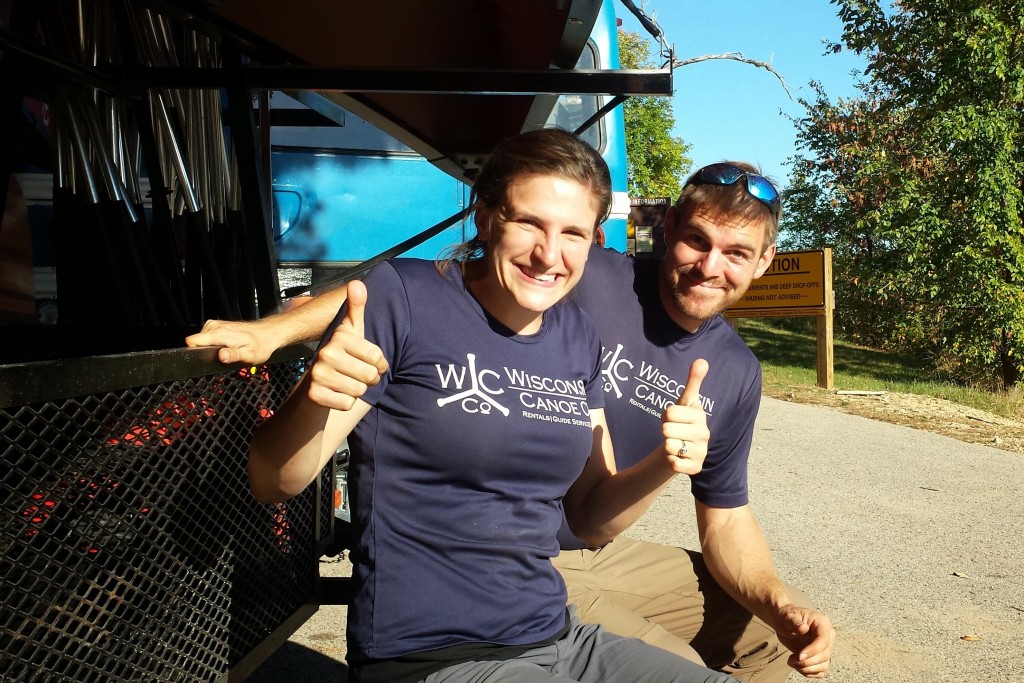
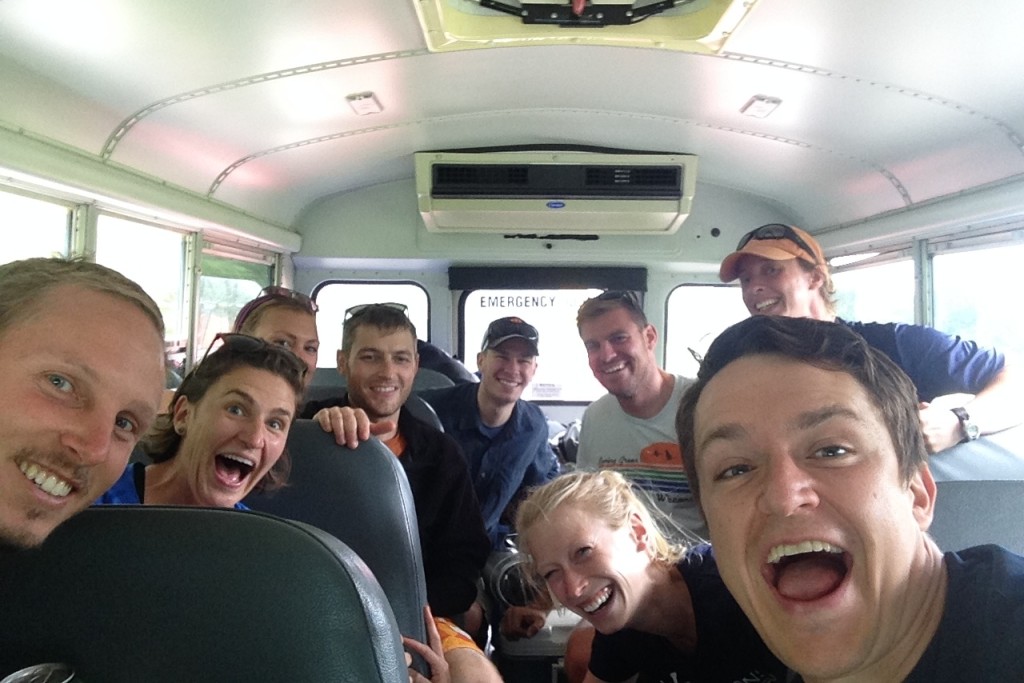
Wisconsin Canoe is a bunch of kids (or kids at heart) living the dream and avoiding the real world. We’re out on the water having fun, same as our customers, which means we tend to be laid back and approachable 99% of the time. If you have a question or you’re unsure of something, we’ll help and probably won’t even judge you.
What Our Customers Say
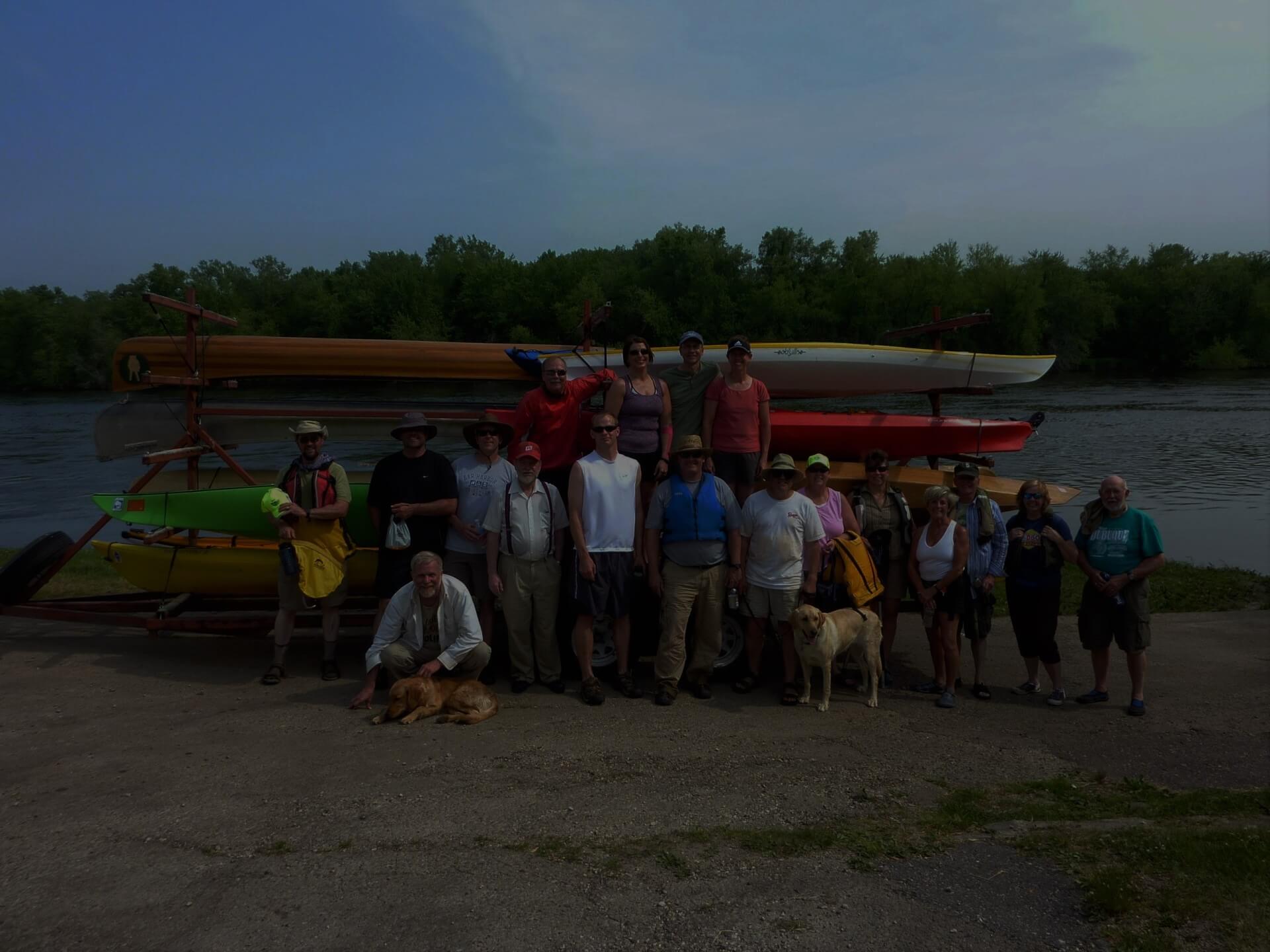
Everything about our trip was excellent, and Wisconsin Canoe Company lived up to their website’s claim. The canoes were in excellent condition, all of the equipment was well-maintained, the shuttle was exactly on time and we were on the river within ten minutes of being dropped off. I’ve canoed with my own equipment on the James and Roanoke rivers in Virginia, and honestly I would rather enjoy the convenience of such a well-run rental and shuttle. They even welcomed our yellow lab on the canoe and shuttle, and she had a wonderful day out on the river. These are great folks that love their job!
Keith Brick
What a great experience with Wisconsin Canoe Company. I have rented from a lot of other places on the Wisconsin River and this place is by far the best. The online reservation system was so nice, the canoes were great, the bus was clean and the staff was friendly. Can’t say enough great things. Won’t even think about researching another place in the future; will go right to this place.
Sara Ward-Cassidy
Excellent service, friendly staff, easy to use online site and simple instructions. My friends and I took an overnight during the weekend of the 4th and absolutely loved it! The entire experience was hassle-free and totally relaxing. Definitely a repeat on my bucket list! Thanks WCC! Long live Big Burrito
Lesly Boey
Behind the Scenes

Grace Bolt
Grace graduated from Western Michigan University, where she obtained her degree in Family Studies. After school she set off traveling, searching to combine her love for people with the outdoors, and landed here as one of our company managers. While she and Spencer co-manage, we all know Grace is the real manager.
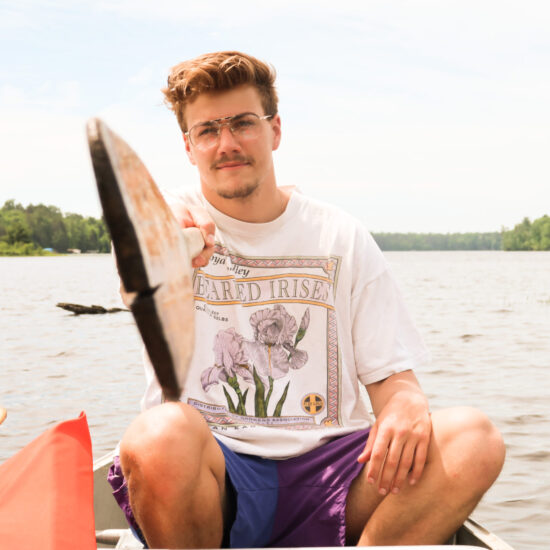
Spencer Sova
After receiving his degree in Finance from Western Michigan University, Spencer quickly discovered that corporate 9-5 wasn’t exactly his style. Blending his love of outdoors with his skill set makes being the manager of Wisconsin Canoe Co a dream. Managing canoes is better than managing portfolios!
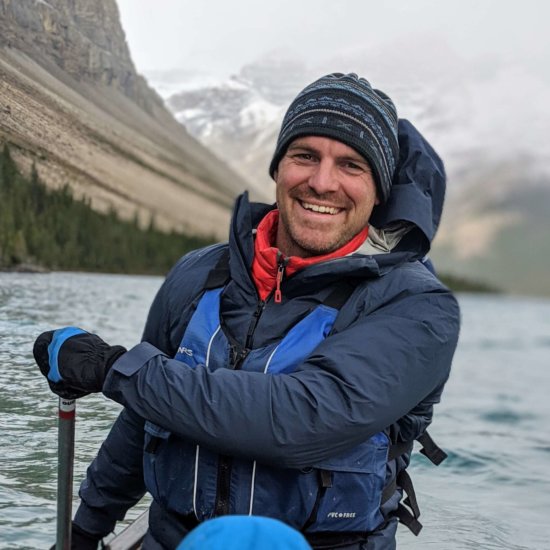
Ryan Schmudlach
Given his degree in Economics from UW-Madison, it was inevitable that Ryan would be put to use on the business side of the canoe operation. Doing fancy things with spreadsheets is a secret passion for someone that is more often found miles from civilization.
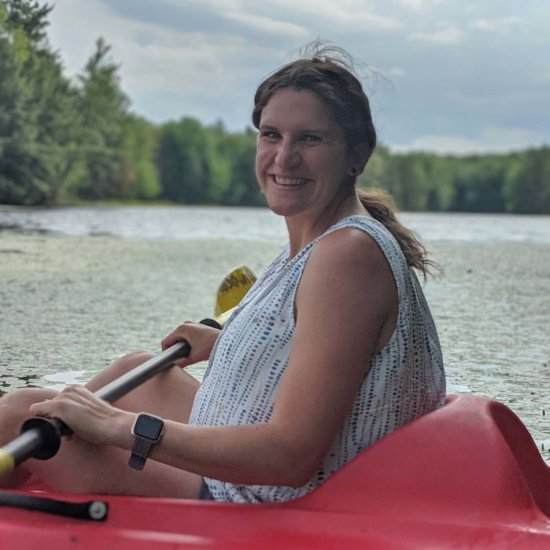
Amy Schmudlach
Baking extraordinaire, cancer survivor, and the nicest person you will ever meet. In between collecting life jackets and greeting customers, Amy finished her degree in Rehabilitation Psychology at UW-Madison. More importantly, she has the uncanny ability to put up with Ryan for years on end.
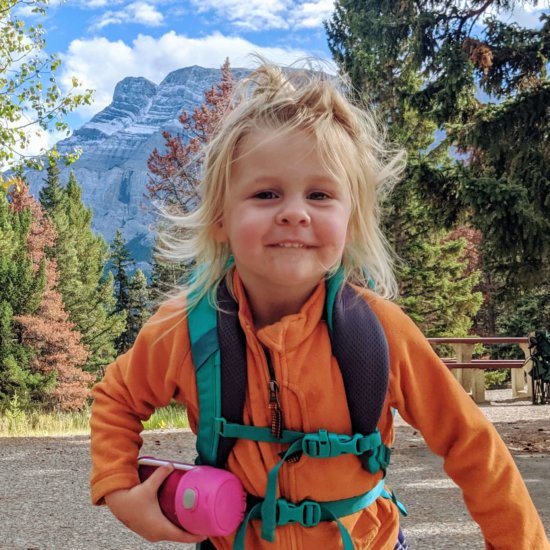
Norah Schmudlach
Norah is our first solution to the annual staffing shortage. She is uniquely talented at issuing commands in a way only toddlers can manage.
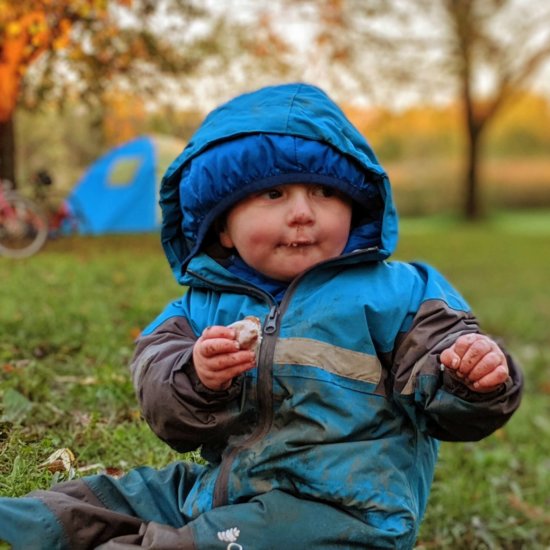
Finn Schmudlach
Finn is the continuation of our long term staffing strategy. While he’s got a steep learning curve ahead of him, he’s already shown progress grabbing canoe paddles and assisting Amy with check-in at the landing.
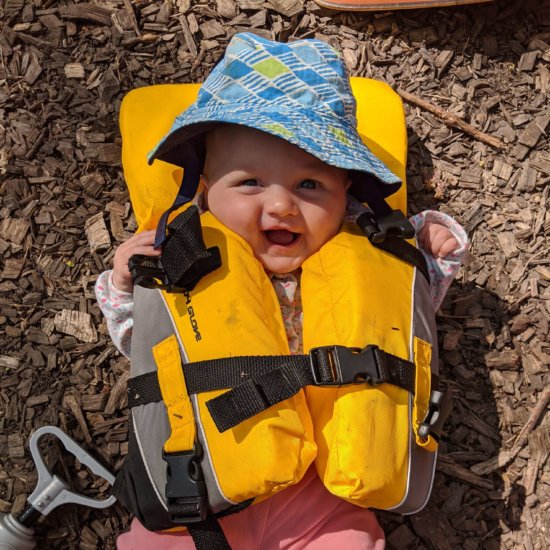
Inga Schmudlach
Inga is the final member of our long term staffing plan. For the moment, she’s on customer service duty as about all she can do is smile and few people can resist the charms of a smiling baby.